Table of Contents
ToggleGrowing Red Cabbage Seeds: Your 2023 Guide
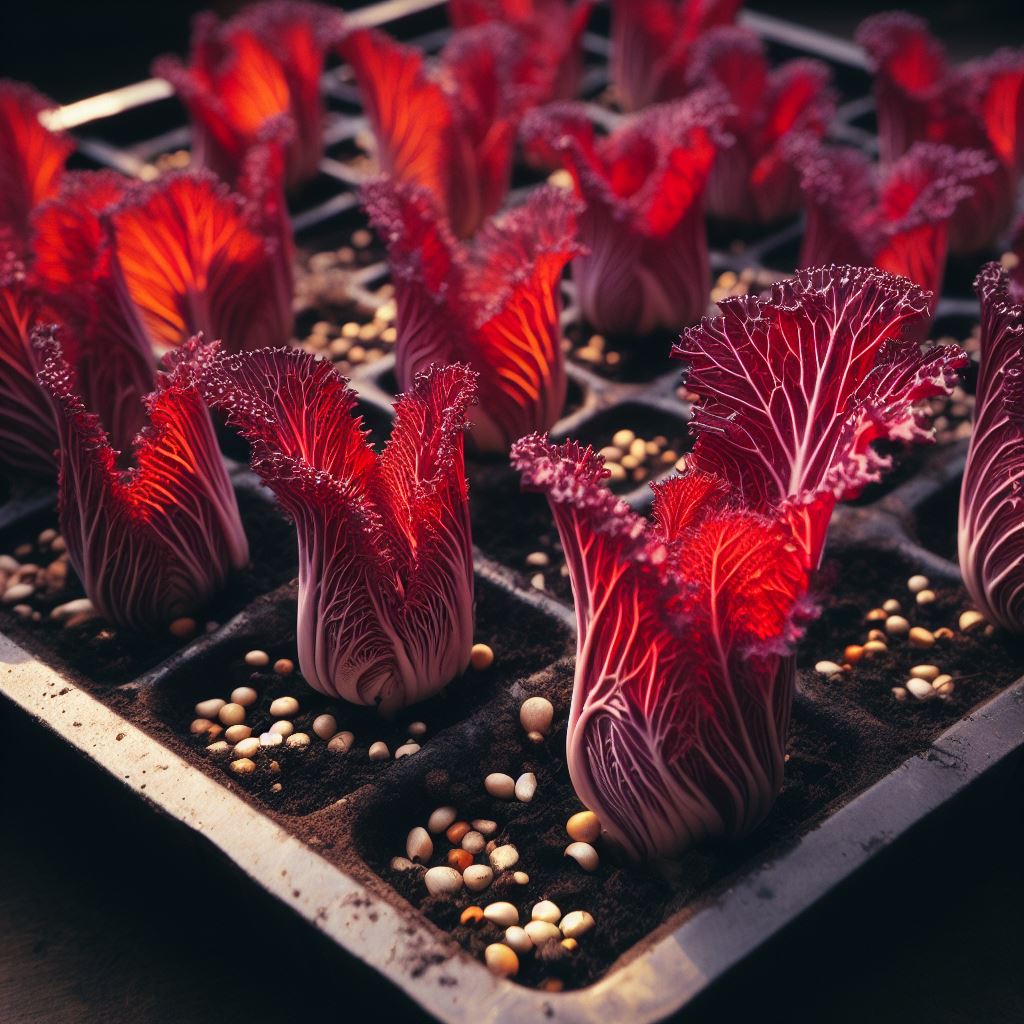
Red cabbage (Brassica oleracea var. capitata f. rubra) is an attractive and nutritious vegetable known for its red to purple leaves. Compared to kale, red cabbage contains 10 times more vitamin A and twice as much iron. It is also more durable after harvest than kale, making it a popular choice among gardeners1. Red cabbage is prized for its pungent flavor and nutritional benefits, and it plays an important role in many traditional dishes, especially in Northern Europe.
Preparation of the soil
To achieve a successful cultivation of red cabbage, it is important to choose the right place and prepare the soil correctly:
Choosing the right place:
Soil preparation:
- Test the soil's pH level, which should be between 6.0 and 7.5. Add lime to raise the pH level or sulfur to lower it if necessary3.
- Improve soil quality by adding compost or other organic matter to improve drainage and fertility.
Selection of red cabbage seeds
Hybrid vs. Heirloom:
- Heirloom seeds are traditional varieties that are at least 50 years old and retain their characteristics from generation to generation, while hybrid seeds are the result of crossing different varieties to achieve better yields, disease resistance and earlier harvest dates456.
- There are also specific hybrid varieties that have been developed to be more resistant to temperature fluctuations and weather changes, such as Nurima F17.
Seed quality:
- It is important to buy seeds from reliable sources to ensure freshness and quality.
Sowing the seeds
Point in time:
- Sow the seeds in spring or early fall.
- Make sure the soil temperature is between 7-24°C for optimal germination8.
Method:
- Sow the seeds directly into the ground or start them indoors in trays and transplant outdoors when they have 2-3 true leaves, 2-3 weeks before the last expected frost1.
Care of the red cabbage plants
- Irrigation:
- Keep the soil consistently moist, but avoid overwatering, as red cabbage cannot tolerate wet soil1.
- Fertilizer:
- Fertilize every few weeks to support plant growth1.
- Pest control:
- Keep an eye out for pests such as cabbage moths, aphids and root mites, and use preventative measures such as planting dill nearby to attract beneficial insects1.
Thinning of plants
Plant distance:
- Give the plants sufficient space by placing them 50-70 cm apart, depending on the variety9.
Harvest and storage
- Harvest:
- Red cabbages are ready to harvest when they have achieved a deep purple color and are the desired size, usually about 70 days after planting1.
- Storage:
- Store harvested red cabbage in a cool, dry place to maintain freshness.
Tips & Tricks
Interplanting:
- Grow red cabbage together with cucumbers and beans, but
avoid planting them with strawberries and tomatoes as they can compete for nutrients1.
Uses of red cabbage
Culinary uses:
- Red cabbage is a versatile vegetable that is used in many different cuisines around the world. It can be eaten raw in salads, fermented to make sauerkraut or cooked in a variety of dishes including soups, stews and braised dishes. Its robust flavor and ability to hold up well during cooking make it an excellent ingredient in robust and hearty dishes23.
Health benefits:
Conclusion
Growing red cabbage seeds is a rewarding experience that allows you to enjoy this nutritious and tasty vegetable right from your own garden. With the right preparation and care, you can achieve a successful harvest that can be enjoyed in many different ways in the kitchen. Whether you're an experienced gardener or a beginner, growing red cabbage is a great way to expand your garden and improve your diet with homegrown, fresh vegetables. So why not try growing some red cabbage seeds yourself? It is a simple, educational and enjoyable process that can bring health and culinary joy to your table.
Do you have questions? We have answers!
Why choose to grow red cabbage instead of kale?
Red cabbage contains 10 times more vitamin A and twice as much iron compared to kale. It is also more durable after harvest, making it a popular choice among gardeners.
How do I prepare the soil for growing red cabbage?
Test the soil's pH level, which should be between 6.0 and 7.5, and add lime or sulfur if necessary to adjust the pH. Improve soil quality by adding compost or organic matter for better drainage and fertility.
How do I choose the right red cabbage seeds?
Choose between heirloom seeds that retain characteristics from generation to generation, or hybrid seeds that can offer better yields and disease resistance. Buy seeds from reliable sources to ensure freshness and quality.
How should I care for my red cabbage plants?
Water regularly, but avoid overwatering. Fertilize every few weeks and watch for pests like cabbage moths and aphids, take preventative measures like planting dill nearby to attract beneficial insects.
 English
  Danish